


Take Five with Director Scott Edmiston
February 20, 2026 by Kelby
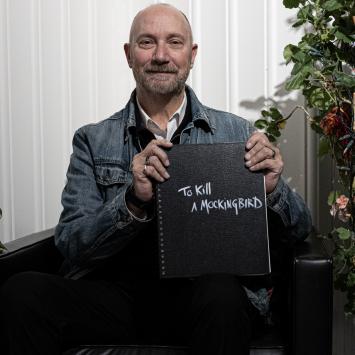
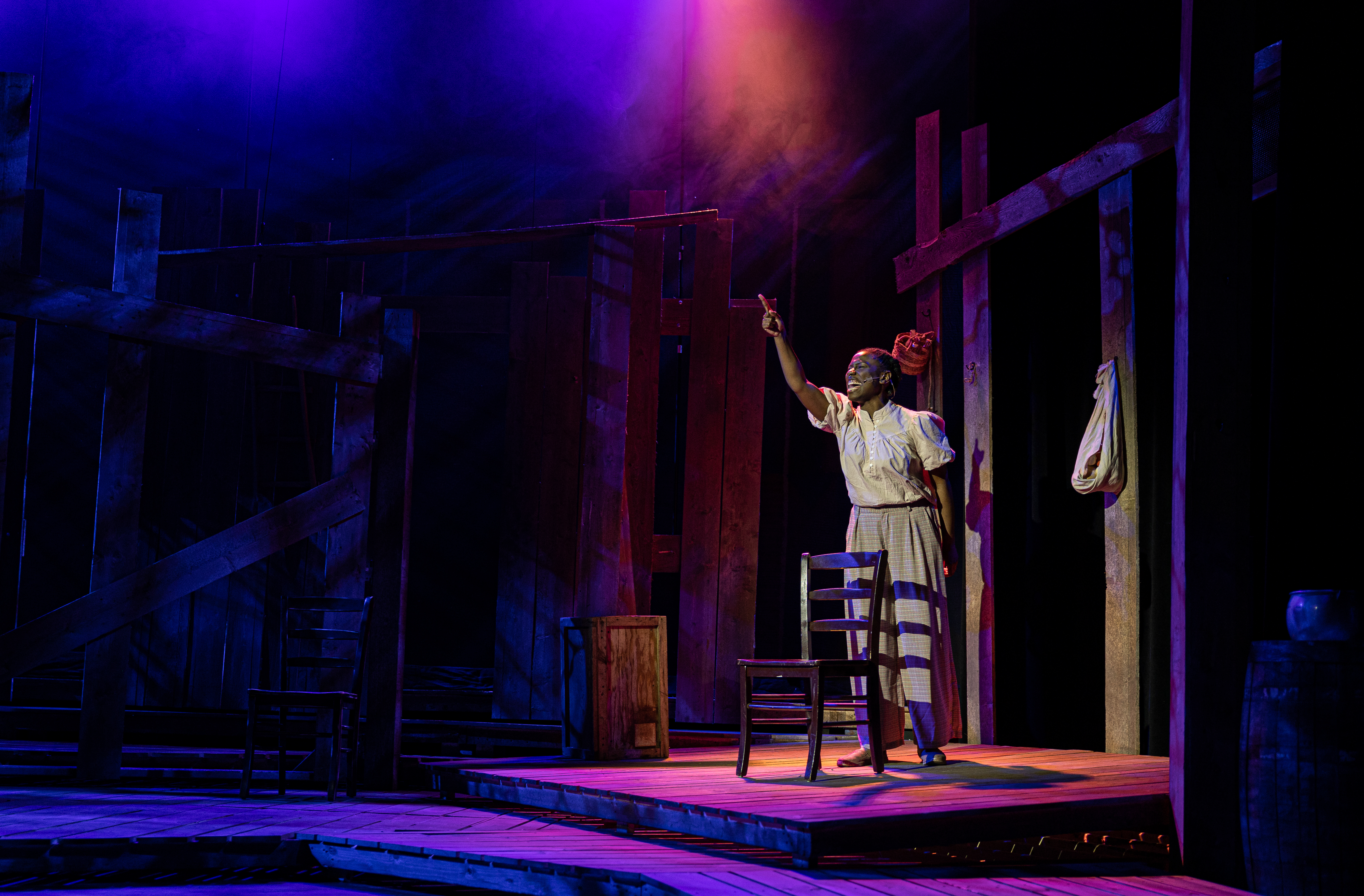
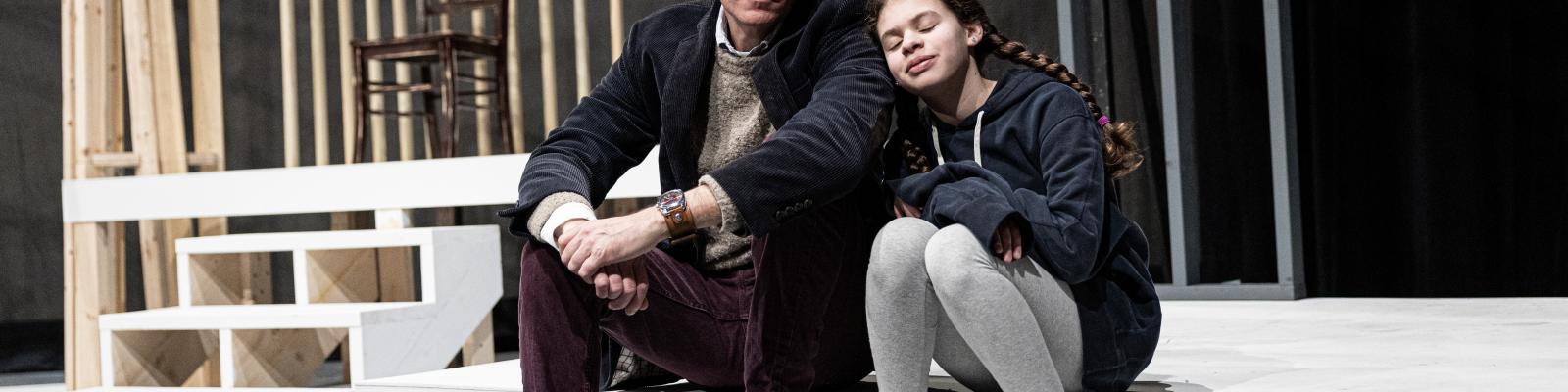
Elliot Norton Award-winning director Scott Edmiston last helmed a production at The Umbrella during the 2023–24 season with the critically acclaimed The Minutes. Now he's back, bringing a fresh vision to one of American literature's most beloved and enduring stories. As Scott returns to direct To Kill a Mockingbird, we sat down with him to "take five" about his creative process, personal connection to the material, and what audiences can expect from this all-new production — which marks a significant milestone for The Umbrella as the first time our Stage Company has revisited a script, which it previously produced in 2018.
1.What was your first experience with/of To Kill a Mockingbird?
I’ve loved the film version for as long as I can remember, but I had never actually read the book until a few years ago in a family book club. It was fascinating to discuss the story with people ranging in ages from 12 to 75. We had different generational perspectives, but everyone had something in the story that deeply resonated with them.
2. How does your role as / history as an educator / dramaturg inform your directing process?
I love analyzing a text. I guess I’m odd that way. To me it’s like taking apart an intricate watch to understand its delicate inner working. I’ve gained a greater appreciation for To Kill a Mockingbird as dramatic literature. For example, the way that Lee draws on bird imagery – finches, robins – as well as the concept of mocking. Atticus is mocked for defending Tom Robinson, whose trial is itself a mockery of justice.
3. What has surprised you during rehearsals for this play? Any new discoveries about this story, theater, and/or this moment?
Being inside the play for a month has invited me to reflect on my own childhood and how and when I learned about racism. At its core, this is the story of three children who learn that the world can be unjust, unfair, and cruel. To Kill a Mockingbird literally means the death of innocence. But they also learn about empathy and the importance of a moral conscious. And that we have a responsibility to stand up for what we believe.
4. Tell us a bit more about this dramatization of To Kill a Mockingbird and how it’s uniquely manifesting in this production as “a memory play”.
The novel is told in first person by Scout, but this stage adaptation is narrated by Scout as an adult. She is now her father’s age and looks back on the life lessons he gave her. Memory is elusive and fragmented and colored by emotions and mystery. Treating it as a memory play allowed us to free up the visual design, the use of music, and the staging.
5. What do you see as the value or joy of dramatizing literature? How is gathering for this story in a theater different from reading the novel independently?
One of the pleasures of reading a novel is imagining the characters and events in a way that is personal to the reader. A film can reproduce reality. But in the theatre, the characters are alive, talking directly to you, and the settings are not realistic. You can experience each moment in time as the characters do. And experience it together with others in your community. I hope those who love To Kill a Mockingbird will feel that we have honored the book while also giving it an original, theatrical form that helped them to see and feel its sorrow and beauty in new ways.
Tickets for To Kill a Mockingbird are available at TheUmbrellaArts.org/stage